We’ve been getting calls daily from our patients and the public alike, looking for Vitamin C and other immune supports. It seems, that next to toilet paper and hand sanny, these medicines have quickly become the hottest item in limited supply! But thankfully, they’re out there in abundance if you just know where to look!
Your local produce market has these powerhouse nutrients stacked sky-high!
Most of us get the general idea that fruits and vegetables have vitamins and minerals for sure, but which fruit and veg have which nutrients? And what do these nutrients do for us?
With respect to the current immune crises, there is no research regarding what nutrients would be beneficial, if any. But we do know that eating a diet rich in fruits and vegetable is supportive of better health overall because of the nutrients they contain, so let’s at least work with what we know.
If nothing else, operating from this place gives us a greater sense of control over a very uncontrollable situation. This may help ease our stress. And we know that stress negatively impacts our digestive system to varying degrees, which is home to a large portion of our immune system. Eating well is good for our overall health at this time.
So let’s talk what you need and and where to find it…
I’ve focussed on what you see in the produce section, highlighting what nutrients support overall immunity. Herbs and spices also play an incredible role, but it’s a big role, so they’re going to get a show all of their own in a day or two! Stay tuned…
Immune supportive nutrients and the colours to look for:
Although you may simply prefer a shopping list, I state the nutrient first for a specific reason:
I want you to know what your body needs. This way, YOU hold the power.
Vitamin C ~ pick the rainbow!
A powerhouse, no doubt! Vitamin C works in various ways to support and boost immune function. But perhaps the greatest value of Vitamin C in our current climate is that it hugely supports our neutrophils – the ninja immune cells that kill pathogens.
- Oranges, lemons, limes, grapefruit and cantaloupe
- Red, orange and yellow peppers
- Green leafy veg such as spinach, kale, arugula
- Cabbages — purple cabbage and green asian varieties (bok choy, sui choy…)
- Zucchini and other squash
- Broccoli & cauliflower
- Herbs such as parsley, cilantro, mint
Zinc ~ think brown and green
Zinc supports both our innate and adaptive immune function. It is crucial for the normal development and defensive ability of our neutrophils (immune ninjas) and natural killer cells (the assassins). Research indicates that approximately 30% of the population is deficient in zinc.
Our elders in particular may benefit from additional food sources high in zinc since our absorption of zinc declines as we age.
- Cremini mushrooms
- Leafy greens: spinach, chard, collard greens
- Broccoli
- Asparagus
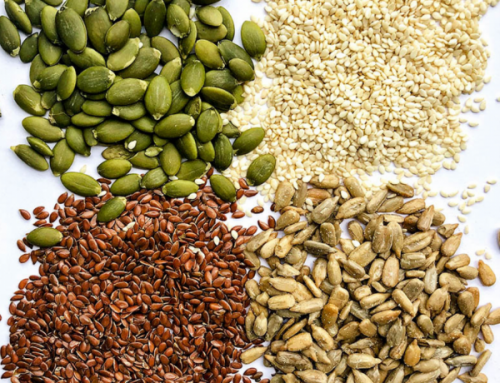
- Other: Nuts and seeds are a great source of zinc (pumpkin seeds, sesame seeds – tahini!)
Vitamin A – look for orange, yellow, red & green
Vitamin A is integral to optimized immune function. It supports the neutrophils (ninjas) and natural killer cells (assassins) to annihilate a pathogenic threat. Vitamin A is also essential to maintaining tissue integrity of our mucous membranes so that invaders can’t get in in the first place!
- Carrots, sweet potatoes, yams
- Spinach, kale, collard and other leafy greens
- Parsley
- Zucchini and other squashes
Quercetin – red & green
Quercetin has both anti-allergic and anti-pathogenic properties. It has known immune enhancing properties and may help inhibit pathogen entry into cells. It seems most effective prior to infection. Remember the old adage: An apple a day keeps the doctor away!
- Apples
- Peppers
- Broccoli
- Red onions
- Other: black tea, green tea, red wine (although to keep this moderate as alcohol promotes inflammation in the mucous membranes which negatively impacts immune function).
Selenium – brown, white & green
We only need small amounts of Selenium to get a whopping benefit! It is integral to our antioxidant defenses – it supports the supply line to feed the soldiers at the front lines of battle and helps contain & control unnecessary damage from the fight.
- Mushrooms: cremini & shiitake in particular
- Garlic
- Asparagus & spinach
- Other: Brazil Nuts are a huge source – 1 nut per day is all you need. Eggs, salmon and oats are great too.
Allicin – white
Allicin is a potent broad-spectrum anti-microbial and immune supportive nutrient. It is particularly helpful in upper respiratory infections and has been shown to be useful against pathogens such as Influenza, Parainfluenza and Rhinoviruses.
- Garlic
- Note: the key with garlic to get the Allicin out is to EAT IT RAW (finely chopped and exposed to oxygen)! Allicin is destroyed by heat. If you cook garlic you get a delicious culinary herb. Eat it raw and you have a powerful medicine.
- To get the most allicin, chop the garlic fine, let it sit for a few minutes, then add it to your cooked food just prior to eating. (Let it sit after chopping because oxygen turns the inactive molecule, Alinin, into its’ active soldier, Allicin.
- Onions
Vitamin E
A valuable antioxidant as well as very useful in cellular signalling in the immune system. Vitamin helps to ensure the immune cells get the right memos!
- Leafy greens
- Papaya
- Tomatoes
- Peppers
- Kiwi
- Berries
- Other: Almonds are an excellent source of Vitamin E.
Lentinan
Immune stimulating polysaccharide.
- Shiitake mushrooms
Anti-oxidants — eat any fruit or vegetable and you’re getting antioxidants!
Antioxidants are a super important group of molecules, including many vitamins and minerals, that work together to mop up the mess from an immune battle. Think of them as the tireless and ever-working nursing team on the front lines of battle: Continually bandaging and bolstering the tissues, ensuring they have what they need to continue the fight.
The key is ANTIOXIDANTS WORK BEST TOGETHER! On this score alone, this is why food can be such a valuable medicine.
Eat a variety of fruits and vegetables. Make your plate a colourful creation and you’re doing awesome supplying the body with extra nursing staff!
Particularly good (and delicious!) sources of antioxidants:
- dark berries (blues, blacks, raspberries, cherries): contain specific antioxidants (bioflavonoids) that help stabilize tissue integrity.
- dark leafy greens
- ginger
- artichokes
- herbs and spices (clove, cinnamon, cumin…More on this coming soon!)
- dark chocolate
Notes for safe produce purchasing
- Touch ONLY what you are going to buy (limit the spread of germs)
- Wash your produce immediately upon getting it home
- use a vegetable wash; OR
- add 1 cup of white vinegar and a good squeeze of lemon to a kitchen sink full of water and let your produce soak;
- Worst case scenario: Soak your produce in the sink with dish soap (preferably natural) and RINSE REALLY WELL before consuming.
- Wash ALL produce, including things you normally wouldn’t. Lemons, limes, oranges, bananas… even though you peel or cut these, you don’t want viral or bacterial components on the outside of your food getting onto the inside. Super important.
Making your produce ‘go the distance’
Naturally, a concern for folks right now is that their produce will go off before they’ve had a chance to consume it. Here are some quick tips and tricks:
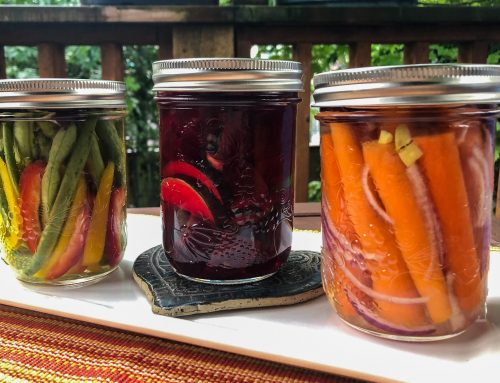
- Make soups if produce starts to turn.
- Blend produce into smoothies, dips, pestos, etcetera
- Get creative with your cooking: Add foods to your dishes that you wouldn’t normally pair together. Not only will you use up what you’ve got, your immune system will thank you for it.
- If you’re lacking inspiration on the recipe front, give us a call at the clinic. Our fabulous Nutritionist, Emily, or myself (Dr. Martha Reid, ND) are always happy to talk ‘all things delicious and nutritious’!
________________
References
Helge, K. & R. Lothar. 2003. Zinc-altered immune function. Journal of Nutrition. Retrieved from https://www.ncbi.nlm.nih.gov/pubmed/12730441
Hemila, H. 2017. Vitamin C and infections. Nutrients. Retrieved from https://www.mdpi.com/2072-6643/9/4/339
Hemila, H. & E. Chalker. 2013. Vitamin C for preventing and treating the common cold. Cochrane Database Systemic Review. Retrieved from http://www.https://www.ncbi.nlm.nih.gov/pubmed/23440782
Mateljan, G. 2007. The world’s healthiest foods. George Mateljan Foundation: USA.
Rodrigo, M., Iwata, M. & H. Ulrich. 2008. Vitamin effects on the immune system: vitamins A & D take centre stage. Nature Reviews. Immunology. Retrieved from http://www.ncbi.nlm.nih.gov/pmc/articles/PMC2906676/
Ross, A. & C. Stephenson. 1996. Vitamin A and retinoids in antiviral responses. FASEB Journal. Retrieved from http://www.ncbi.nlm.nih.gov/pubmed/8801180
Saul, A. & A. Yanagisawa. 2020. Hospital-based intravenous Vitamin C treatment for coronavirus and related illnesses. Orthomolecular Medicine News.
Shankar, A. & A. Prasad. 1998. Zinc and immune function: the bilogical basis of altered resistance to infection. American Journal of Clinical Nutrition. Retrieved from https://www.ncbi.nlm.nih.gov/pubmed/9701160
Young, G. & S. Nim Han. 2018. The role of Vitamin E in immunity. Nutrients. Retrieved from http://www.nutrients-10-01614%20(1).pdf
AND MANY MORE….Call the clinic should you wish to enjoy more ‘light’ reading!