Making another midnight run to the allergy aisle of your local pharmacy? You’re not alone! Over 4 million Canadians suffer from seasonal allergies, and although a single symptom of a runny nose, or itchy eyes or sneezing may not be debilitating, the onslaught of them all together for weeks on end can be incapacitating both physically and emotionally. While the ample allergy medications out there may provide some symptomatic relief, they do nothing to resolve the underlying issue as to why you’ve got allergies in the first place, which is why when the meds run out, you run out to the nearest pharmacy for more.
What are allergies and why do we get them?
Allergies are the symptom of an imbalanced immune system. The human immune system is an extremely complex interplay of organs, various cell types and chemical messengers. It requires that all of these be in fine balance in order to operate smoothly. Two primary cell types involved in maintaining this balance are the T-helper cells 1 and 2, known as TH1 and TH2. If they become imbalanced, immune dysfunction results. An increase in TH2 relative to TH1 results in atopy (or allergic response), while the reverse results in auto-immune conditions¹.
Believe it or not, balancing these two cell types and hence our immune system begins before we even take our first breath! It really starts as we move through the vaginal canal at birth. Studies show that our immune systems are pre-disposed to TH2 at birth since we live in a sterile environment when in the womb, and it is through the birth canal that we gain first exposure to the bugs and environmental toxins present in the outside world. It is through this journey that we are also first exposed to the healthy flora (the good bacteria that colonize our mucous membranes) that strengthen our immune systems and enable tolerance to this new environment. Breastfeeding further provides the healthy bacteria we need to create immune tolerance to our new environment² ³.
Obviously, our birthing and whether or not we were breastfed is completely out of our control. However, we can exercise control now and create a strong micro flora within our bodies that will help to create immune tolerance and thus treat and prevent allergies. It takes a bit of time, but it can be done! The key here is a good quality probiotic taken at the right dose for an extended period of time. Some authors believe that if immune tolerance was not adequately established at birth (via vaginal birthing and breastfeeding), that probiotics are a long-term continual requirement for optimizing immune function³.
Other strong players in the game of allergy prevention are the liver and the digestive system. Let’s begin with the Liver. This 2-3 pound organ is responsible for the detoxification of toxic material that enters the body. Thus, its job with respect to immune health and allergy prevention is a hefty one! And if detoxification weren’t enough, the liver builds the majority of proteins found within a component of our immune function called the complement system. This cascade of approximately 20 proteins works alongside our humoral (antibody mediated immune system) to keep us healthy and to keep allergies at bay. Thus, it is imperative to treat the liver when treating and preventing allergies.
The gut is another major player on the field of allergy prevention. In a very simple way, if our digestive system is compromised, so is our overall immunity. Our immune health depends on us getting the proper building blocks from our diet, which must get through the digestive system and into the blood, from where it can then serve the body. On a more complex note, the digestive system is home to the body’s main concentration of secretory IgA, an immune protein found on mucosal surfaces that is responsible for snagging toxins before they enter the body. When the gut is compromised, the amount of this essential immune protein diminishes leaving us susceptible to environmental toxins 4.
Managing allergy symptoms naturally
As with all things naturopathic, prevention is key, thus treating the liver and the gut are essential for long-term reduction of allergic symptoms. But in the immediacy of allergy season, what can you do to manage symptoms with comfort and ease? The following is a list of great tips and pointers to help keep you more comfortable at this time of year.
- Increase your vitamin C ~ Kiwi, strawberry, papaya, parsley, kale, broccoli and of course, oranges are abundant in ‘C’. Vitamin C is a natural antihistamine which helps prevent itchy eyes and runny noses associated with seasonal allergies.
- Include omega-3 fatty acids in your diet ~ cold water fish are excellent sources as are flaxseeds and walnuts. Omega 3s are anti-inflammatory and help to boost immune function.
- Avoid mucous forming foods such as dairy, sugar and refined flours as they can exacerbate allergy symptoms. Furthermore, these foods place an extra stress on the liver due to their high sugar content, and as we learned above, a healthy liver is essential for treating and preventing allergies.
- An apple a day…Apples are an abundant source of quercitin, a natural anti-histamine.
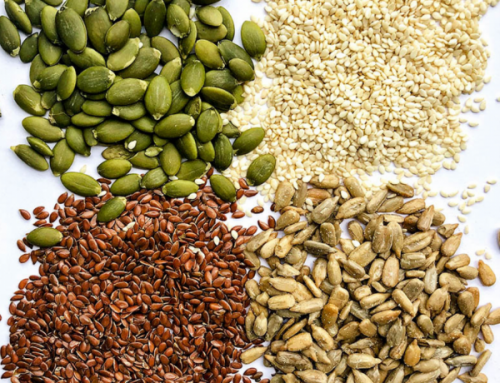
- Eat magnesium rich foods ~ squash, black beans, almonds, pumpkin and sesame seeds are all high in this essential mineral that helps to ease allergy symptoms and improve breathing.
- Drink plenty of water to flush the system of excess toxins. Add fresh squeezed lemon with the rind to increase the liver’s detoxification pathways.
- Apply contrast hydrotherapy packs over your sinuses and eyes at least twice per day. This helps the mucous membranes flush out toxins as well as decrease inflammation.
- Homeopathy is a fantastic tool for individualized treatment of allergy symptoms. It is as unique as the individual, so make sure you taking the right remedies for you and then watch your symptoms ease away.
- Get needled! Studies show acupuncture to be extremely effective in the treatment of allergic rhinitis.
- Spice it up ~ add cayenne, ginger, garlic and turmeric to your meals. The spicier the dish, the greater its’ ability to thin mucous secretions and thus clear the nasal passages.
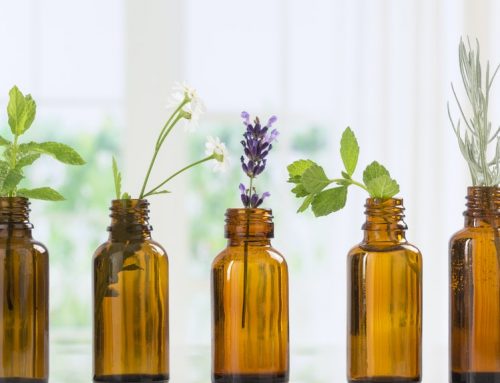
- Use herbal remedies to manage your symptoms and boost your immune function. Different herbs act in different ways, so get a formula individually designed to treat your unique symptom picture.
- Take a bath at night. The water will wash off any pollens or spores that may have attached to your skin.
- Change clothes when coming in from outside as pollen will stick to your clothing.
- Keep your windows closed as much as possible during the day as this will limit the amount of pollen that will enter your home.
- Avoid chemicals and pollutants as much as possible as these create an added burden to the immune and detoxification systems as well as being allergenic in nature themselves. Read the article below on natural cleaning solutions to create an allergy-free environment in your home.
References:
- Berger, A. 2000. “TH1 and TH2 responses: What are they?” BMJ, 321(7258): 424.
- Jones CA, Holloway JA, Warner JO. 2000. “Does atopic disease start in foetal life?” Allergy, 55:2–10.
- Plummer, N. 2009. “Choosing the most effective probiotic for your patient.” Seroyal Continuing Education: Audio Series.
- Kerr, M. 2000. “The structure and function of human IgA.” Biochem J., 271(2): 285–296.